
Claude can write a script, a shot list and a detailed video prompt, but it can’t make the video. The fix takes about a minute. Add AiWings as a connector, and Claude can generate videos with sound using Seedance, from a prompt or from an image, right in the chat.
What you need
- A Claude account on a plan that lets you add custom connectors.
- An AiWings account (sign in with Google). Usage comes from your AiWings credits.
- About a minute.
Step 1: Add AiWings to Claude
You only do this once. After that, videos is available in every Claude chat with the connector turned on.
- 1In Claude, open Settings → Connectors and click Add custom connector.
- 2Name it AiWings and paste the URL below.
- 3Click Connect, then sign in to AiWings and allow access.
- 4In a new chat, make sure AiWings is turned on in the tools menu.
https://aiwings.io/api/mcpStep 2: Ask Claude for a video
Name the model in your request. Claude writes a detailed prompt, calls the AiWings video tool and shows the result in the chat. It’s a good idea to let Claude plan first: ask it to sharpen your idea, then generate with Seedance.
Make a 5 second 16:9 video: a slow dolly shot of a glass bottle on wet sand at sunset, waves rolling in, with soft ocean sound.You don’t have to name a model: Claude uses your saved defaults. Videos take a few minutes. Claude starts the job, waits about 40 seconds, and then the player in the chat keeps updating until your video is ready.
Step 3: Animate an image
A great workflow is to make the image first, then animate it. Ask Claude for an image with any model, then ask it to turn that image into a video.
Start from a still you already like, such as a product photo or something you generated earlier, and describe only the motion. Keeping the instruction short and about movement gives the cleanest result.
Animate the last image: slow camera push-in, leaves moving in the breeze, soft ambient sound.You can also reuse an earlier AiWings result without uploading it again by asking to animate “the last image”.
See what it looks like
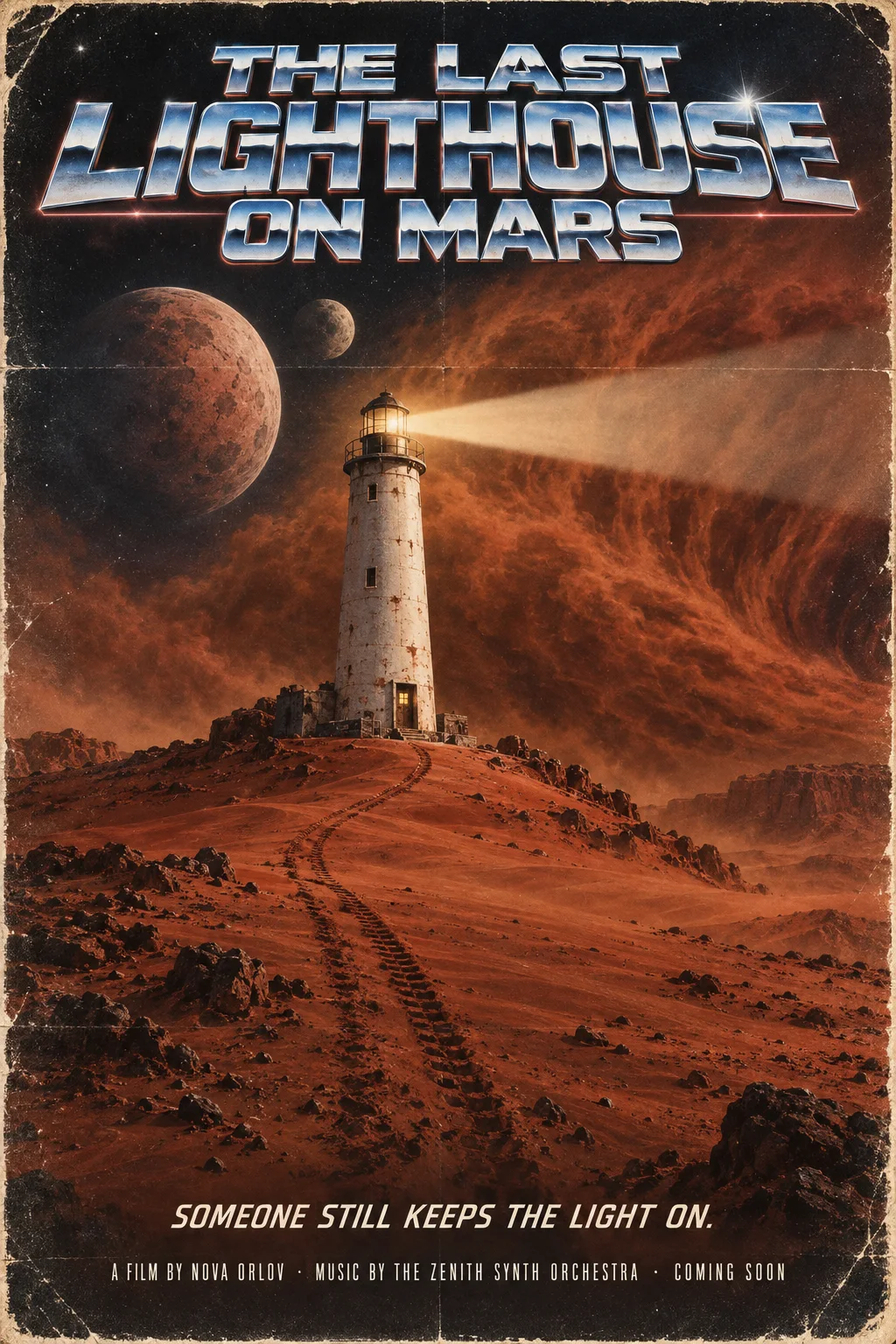
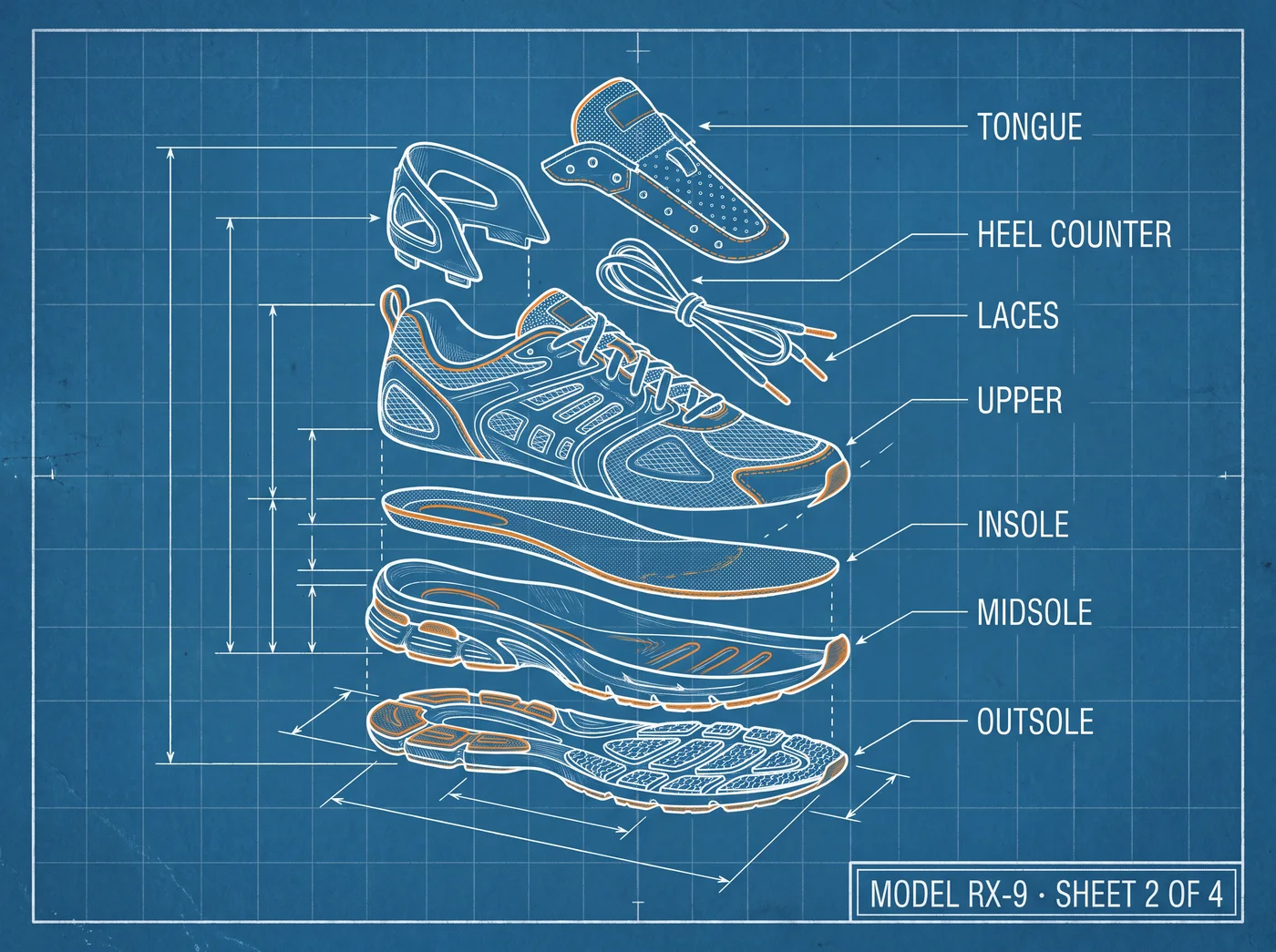
Real, unedited results. Each original image is on the left, and the video Seedance 2.5 made from it is on the right. Seedance adds sound too; it is muted here.
Step 4: Let Claude direct a sequence
Claude is at its best as a director. Ask it for a short shot list first, then generate each clip so the camera moves and the look stay consistent.
Write a four-shot plan for a 20-second teaser for a ceramic mug brand. Then generate each shot at 480p so I can review the sequence before we make the final versions.Seedance 2.0 and 2.5 at a glance
Seedance is ByteDance’s video model. AiWings offers two versions, both with sound. Videos are billed per second, so cost depends on the length and resolution:
| Model | Resolutions | Length | 5 seconds at 720p | With a reference video | Best for |
|---|---|---|---|---|---|
| Seedance 2.0 | 480p, 720p, 1080p, 4k | 4–15 seconds | 115 credits ($1.15) | 140 credits ($1.40) | Short clips up to 4K |
| Seedance 2.5 | 480p, 720p | 4–30 seconds | 145 credits ($1.45) | 605 credits ($6.05) | Longer clips, big reference sets |
Prices are at the top-up rate of $0.01 per credit, and plans include more credits per dollar. Text-to-video and image-to-video, including start frames, end frames and reference images, use the lower rate. Only a reference video, a clip you give the model to follow, uses the higher rate. Seedance 2.0 at 480p is 10 credits ($0.10) per second, which is the cheapest way to test a prompt before you spend more on a higher resolution.
Tips for making videos in Claude
- Test a prompt at 480p first, then re-run the version you like at 720p or higher.
- Describe camera movement explicitly: slow dolly in, handheld, top-down orbit.
- Put spoken lines in quotes and say who says them, so the dialogue is clear.
- Say how long it should be: 4 to 15 seconds on Seedance 2.0, up to 30 on Seedance 2.5.
- Use a Claude Project for a brand: put your style notes in the project and every video prompt in it follows them.
If something doesn’t work
- Claude says it can’t make videos: check that AiWings is turned on in the chat’s tools menu, then ask again.
- The connector shows no tools: remove it in Settings → Connectors and add it again with the same URL.
- Sign-in loops: allow pop-ups for claude.ai and finish the AiWings sign-in in the same browser.
- Out of credits: top up from your AiWings dashboard, then ask Claude to try again.
Bottom line
Claude can’t make videos on its own, but with AiWings added, a video is one sentence away. The same connector also gives Claude GPT Image, Nano Banana, Imagen and Seedream images, all from one balance.
FAQ
Can Claude make videos natively?
No. Claude can’t generate video on its own. You add Seedance with AiWings, then ask for a video in plain words.
How long does a video take?
Usually one to five minutes. The request waits about 40 seconds and then keeps updating in the chat, so you can keep working and the video shows up when it’s ready.
Do the videos have sound?
Yes. Seedance generates synced audio with the video, including speech, music and sound effects, and you can turn it off in the request.
Can I make a video from an image?
Yes. Ask Claude to animate an image it just made, or open the AiWings upload box and add your own, then describe the motion you want.
Which Claude plans can add the connector?
Any Claude plan that lets you add a custom connector. On Team and Enterprise plans, an owner may need to add AiWings for the organization first.